








Bells Beach Brewing, VIC


Project Description
Located in Torquay, Victoria, Bells Beach Brewing is a proudly independent craft brewery operating on Australia’s iconic Surf Coast. Combining a passion for quality beer with a strong connection to the region’s food, tourism and surf culture, the brewery has built a reputation for producing locally crafted beers enjoyed by both locals and visitors alike.
As production volumes increased, the brewery required a more efficient and sustainable approach to generating the high-temperature hot water essential to daily brewing operations. Hot water plays a critical role throughout the brewing process, supporting mashing, cleaning, sanitisation, keg washing and general production activities.
At the time of installation, the brewery relied on electric resistance heating to maintain its Hot Liquor Tanks (HLTs). While effective, the system consumed significant amounts of electricity and provided limited opportunity to maximise the value of surplus solar energy generated onsite. The brewery was seeking a solution that could reduce operating costs, improve energy efficiency and support its long-term sustainability objectives, while retaining its existing brewing infrastructure and established production processes.
Project Requirements & Challenges
The project required a reliable high-temperature hot water solution capable of integrating with the brewery’s existing Hot Liquor Tank infrastructure while maintaining the performance and flexibility required for commercial brewing operations.
A key objective was preserving the brewery’s established production processes. The new hot water system needed to work seamlessly alongside the existing HLTs, minimising disruption to operations while avoiding costly modifications to existing pipework and equipment.
Improving utilisation of surplus solar generation was also a major consideration. Analysis undertaken during the project’s development identified a significant opportunity to replace conventional electric resistance water heating with a high-efficiency heat pump solution capable of making better use of renewable energy generated onsite.
The installation location introduced additional design considerations. Positioned adjacent to the brewery and in close proximity to customer areas, the system needed to provide dependable performance while maintaining low operating noise and a compact footprint.
The challenge was to deliver a high-temperature commercial hot water solution that could integrate with existing infrastructure, support day-to-day brewing operations, improve solar energy utilisation and contribute to the brewery’s sustainability goals without compromising reliability.


MHIAA’s Solution
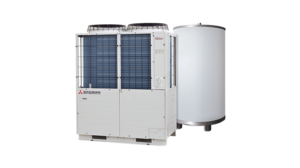
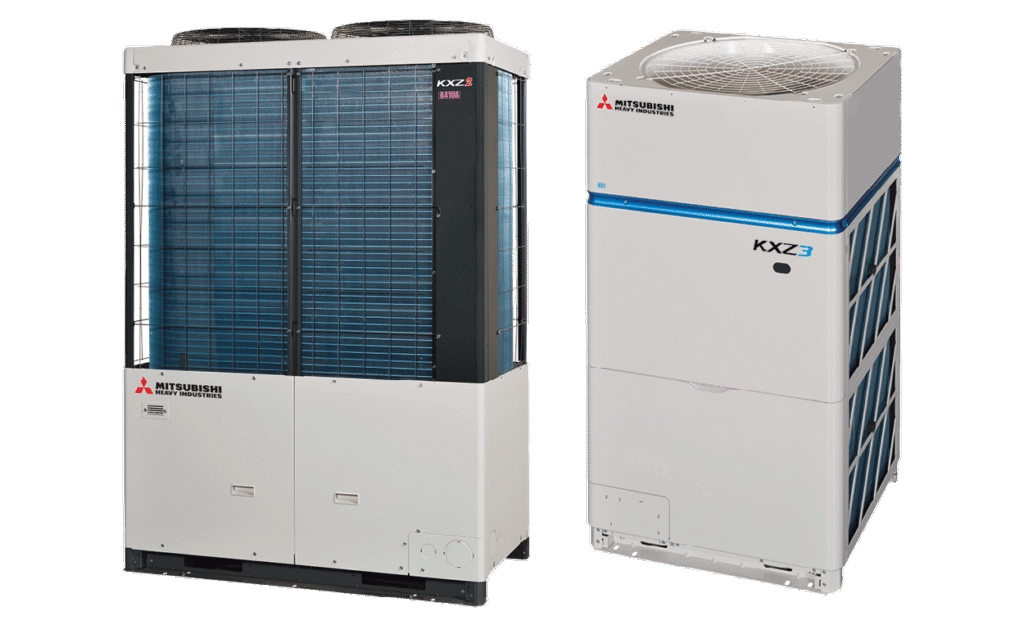
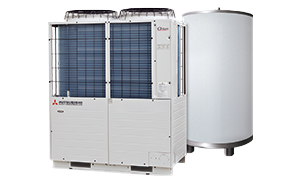
To meet these requirements, NEWFLO Plumbing, Future NRG and Mitsubishi Heavy Industries supplied a Q-ton CO2 air-to-water heat pump system specifically designed for high-volume commercial hot water applications.
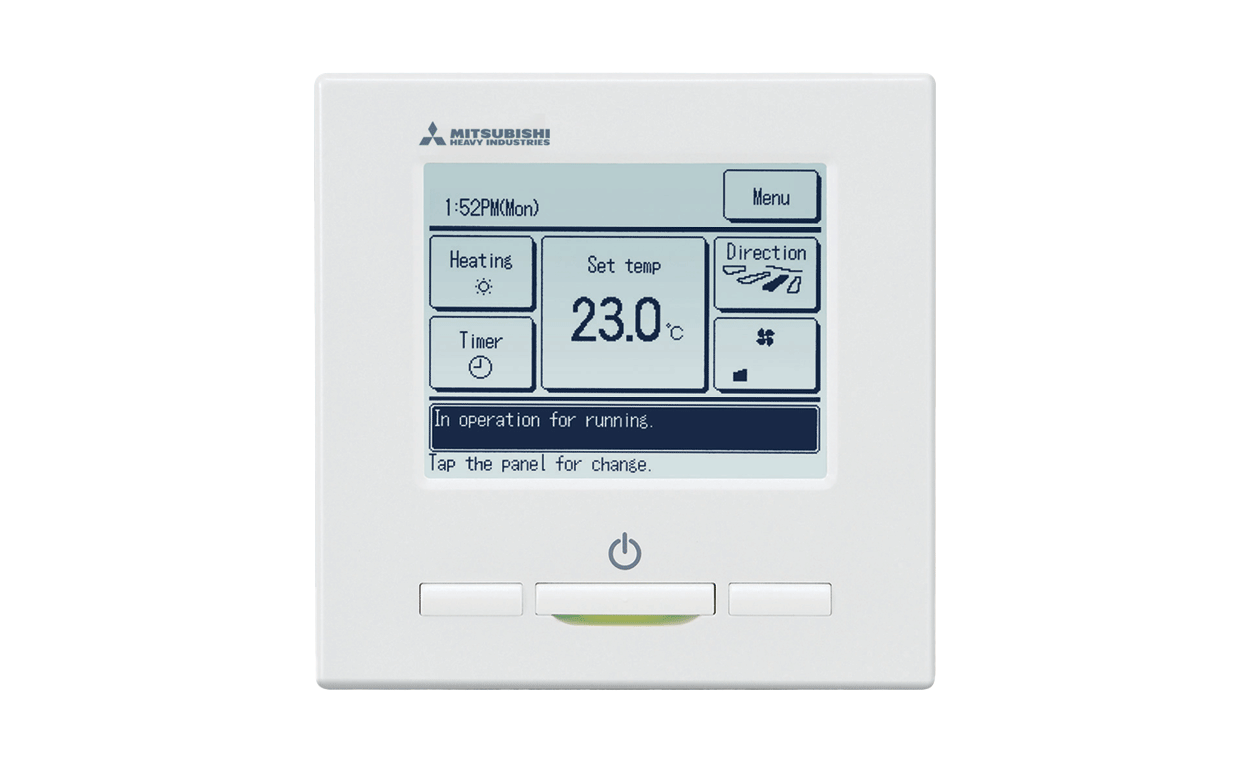
The installation incorporated one Q-ton ESA30EH2-25 heat pump, one RC-Q1EH-2 controller and two 1,000-litre stainless steel hot water storage tanks, integrated directly with the brewery’s existing hot liquor tank system.
Q-ton is a high-efficiency air-to-water heat pump that uses natural CO2 refrigerant and patented two-stage compressor technology to deliver reliable sanitary-grade hot water for demanding commercial applications. Designed for businesses with high-volume hot water requirements, Q-ton is ideally suited to breweries, distilleries, food processing facilities, hotels, healthcare environments and aged care applications.
Utlising a patented two-stage compressor and CO2 as a natural refrigerant enables Q-ton to consistently produce hot water between 60°C and 90°C, even in ambient temperatures as low as -25°C, while maintaining 100% heating capacity down to -7°C. Depending on the application, Q-ton can reduce running costs and CO2 emissions by up to 76% compared to traditional hot water systems, helping businesses lower energy consumption while supporting broader sustainability objectives.
The system was installed externally on a purpose-built galvanised platform adjacent to the brewery, creating a compact and efficient plant arrangement while preserving valuable operational space within the facility.
By integrating Q-ton into the existing brewing process, Bells Beach Brewing was able to retain its established Hot Liquor Tank infrastructure while significantly improving the efficiency of hot water production. The upgrade enables greater utilisation of onsite solar generation, reduces reliance on conventional electric resistance heating and provides a scalable platform that can support future business growth as production demands increase.
The project also benefited from generous incentives available through the Victorian Energy Upgrades (VEU) program, helping improve project viability and accelerate the transition to high-efficiency heat pump technology.